

















Picture this — A bacterial species has infected a quarter of the planet, and its inhabitants are running out of drugs to use. Unfortunately, this is the reality that people on Earth are actually facing today.
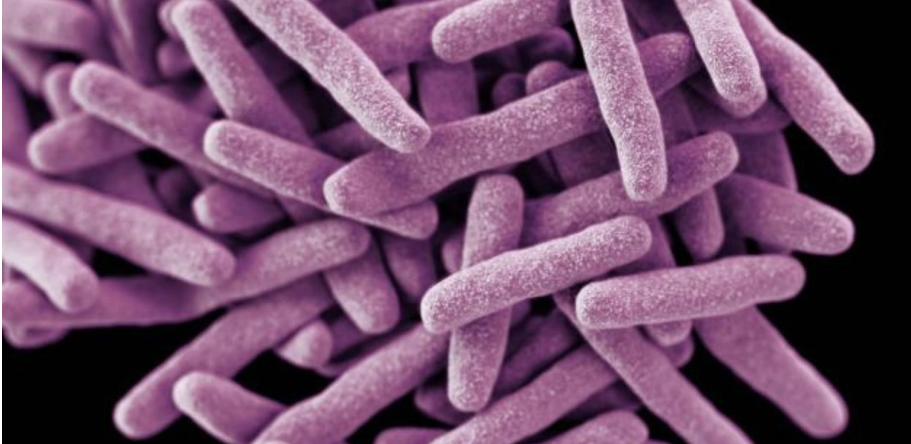
Mycobacterium tuberculosis (Mtb) is a bacterial species that causes tuberculosis (TB), a lung infection that affects an estimated two billion people worldwide and remains the leading cause of death from a single infectious agent, recently surpassing that of COVID-191 again. Mtb targets the lungs and forms granulomas, which are small clusters of immune cells that form in response to an infection and provide critical “housing” for Mtb to survive and persist in the body.
Unlike the recent rise of H5N1 (Avian Flu) or SARS-CoV-2, TB is no new threat; it has existed since ancient times; evidence of TB in humans dates back over four thousand years in ancient Egyptian mummies. Throughout Europe’s seventeenth and eighteenth centuries, TB caused a quarter of all deaths.
Treatment
If infected, the current treatment for TB is a nine-month course of antibiotics, which on it’s own can be toxic to the body. Unfortunately, patients all too often do not complete these meds, allowing the pathogen to proliferate once more and continue to cause disease. If not infected (and taking preventative measures), the only licensed vaccine is BCG, genetically modified from a cow-infecting relative of TB that was weakened and serves as a whole-cell vaccine to provide immunity but prevent full-fledged infection.
Worst of all, because it is a bacterium (and not a virus), it can develop genetic resistance to drugs that kill it by inhibiting key metabolic processes or cell functions. Random genetic mutations can give rise to genes, allowing for TB to evade drugs, and TB cells with such favorable mutations to survive and reproduce, naturally selecting for resistance genes. Moreover, TB can develop resistance to multiple drugs if used uncontrollably; such strains of TB are called MDR-TB (multidrug-resistant TB).
So, why is this long-neglected disease of any priority? A Look into The Global Threat at Stake:
When considering other viral outbreaks, which usually spread much faster, such as Influenza (forms of the Flu) or recent scares involving monkeypox (Mpox), what’s so important about TB? If it has always co-existed with humanity, perhaps we should prioritize other global health threats…
But no — TB poses a serious global threat: the recent discovery of extensively drug-resistant (XDR-TB) or even totally drug-resistant TB (TDR-TB) cases transforms this ancient pathogen into a deadly killer. The presence of MDR-TB or XDR-TB is alarming due to the low detection rate, high treatment failure, and high mortality. Every day, about 3,500 people across the world die from preventable deaths from TB. If left undiagnosed and untreated, people living with TB can unknowingly spread the disease to others, resulting in one person with untreated TB infecting up to 10 to 15 more people each year. Arguably, TB has been — and will continue to be — the greatest global threat to humanity.
When using antibiotics, physicians use a system of first, second, and occasionally third-line drugs. First-line drugs against TB are the most effective, have the least side-effects, and are least likely to have resistance developed against (the five drugs considered first-line for TB can be memorized with the mnemonic RIPES):
Rifampin (also known as Rifampicin) – binds to RNA polymerase and blocks RNA synthesis.
Isoniazid – Prevents the synthesis of mycolic acids in TB and thus causes cell wall destruction.
Pyrazinamide – Lowers the intracellular pH and disrupts membrane energetics and fatty acid synthesis.
Ethambutol – Disrupts cell wall construction.
Streptomycin – Aminoglycoside that binds to the 30S bacterial ribosome subunit, inhibiting protein synthesis.
In 2023, there were 10.80 million incident TB cases worldwide, with 1.20 million deaths. Notably, approximately 0.40 million cases were MDR-TB or XDR-TB, highlighting the persistent challenge of drug-resistant tuberculosis in global TB control efforts. The economic impact of drug-resistant TB is profound, as over 81% of affected households experience catastrophic healthcare costs related to treatment expenses, especially since TB is most prevalent in low-income countries around the world.
So what should we do about TB?
The answer is funding research into developing a more effective vaccine against TB, focusing on prevention (or even early detection tests) rather than exhausting antibiotics to use.
Currently, molecular biologists and microbiologists around the globe are trying different methods to create a vaccine. Bacterial vaccines are difficult to develop, especially due to their complex cell surface, including countless proteins, antigens, and cell receptors. Viral vaccines are easier to design as they primarily have one or two surface subunits used to enter the host cell, so scientists attempt to mimic particular proteins in their vaccine for the immune system to “practice” (develop immunity) on. Moreover, TB vaccine development is particularly tricky because it takes a long time to culture; a bacterial culture of Mtb doubles its population every 24 hours (for comparison, stomach E. coli takes a mere 20 minutes to double), the longest of almost any species. In perspective, it takes a whole month to culture Mtb sufficiently (to grow enough cells) to run experiments on, which means a scientist, assuming they take no breaks in experimentation, can only run around a maximum of 10 experiments per year.
Below are a few summarized methods of bacterial vaccine development, all currently in development, animal testing, or clinical phase trials:
Whole-cell vaccine (Live attenuated) – safe, weakened live versions of TB or TB relatives, and trigger diverse immune responses and closely mimic immunity elicited by wild-type TB. Not advised for immunocompromised persons (especially with HIV).
Inactivated whole-cell vaccines or lysates – TB cell parts (dead TB), safe, contain diverse cell surface proteins and receptors, safe for immunocompromised people, but lack antigens produced by live TB and require boosting.
Protein subunit and adjuvant – a particular TB cell surface protein selected, safe for immunocompromised people, but requires boosting, and generates a very limited immune system response.
Viral vectored vaccines – Genetically modifying viruses to carry genes encoding TB proteins so the host cell produces them, then the immune system acts upon them. Generally safe, triggers a robust immune system, but preexisting immunity against the virus carrier limits the effectiveness.
mRNA – Using mRNA to carry genes encoding TB genes into the host so that the host cells produce them, then the immune system acts upon them (similar to viral vectored vaccines). Safe for immunocompromised people, but a relatively new concept for TB cells, although used widely for the Moderna COVID-19 vaccines.
Citations and more information:
1 World Health Organization. (2025, March 14). Tuberculosis. World Health Organization. https://www.who.int/news-room/fact-sheets/detail/tuberculosis
2 https://www.sciencedirect.com/science/article/pii/S2666517424000786?via%3Dihub