


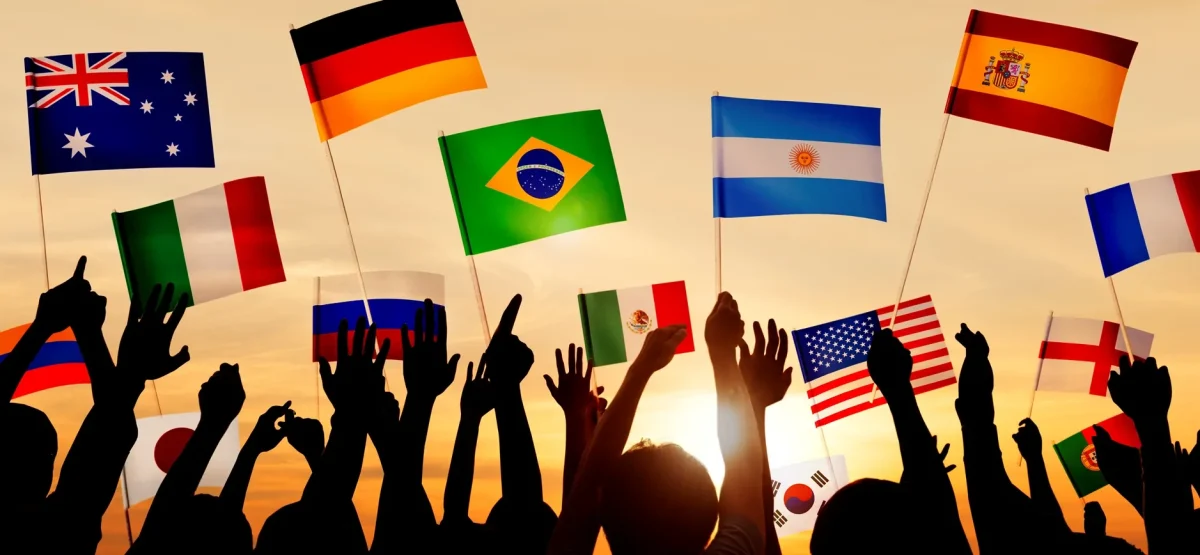
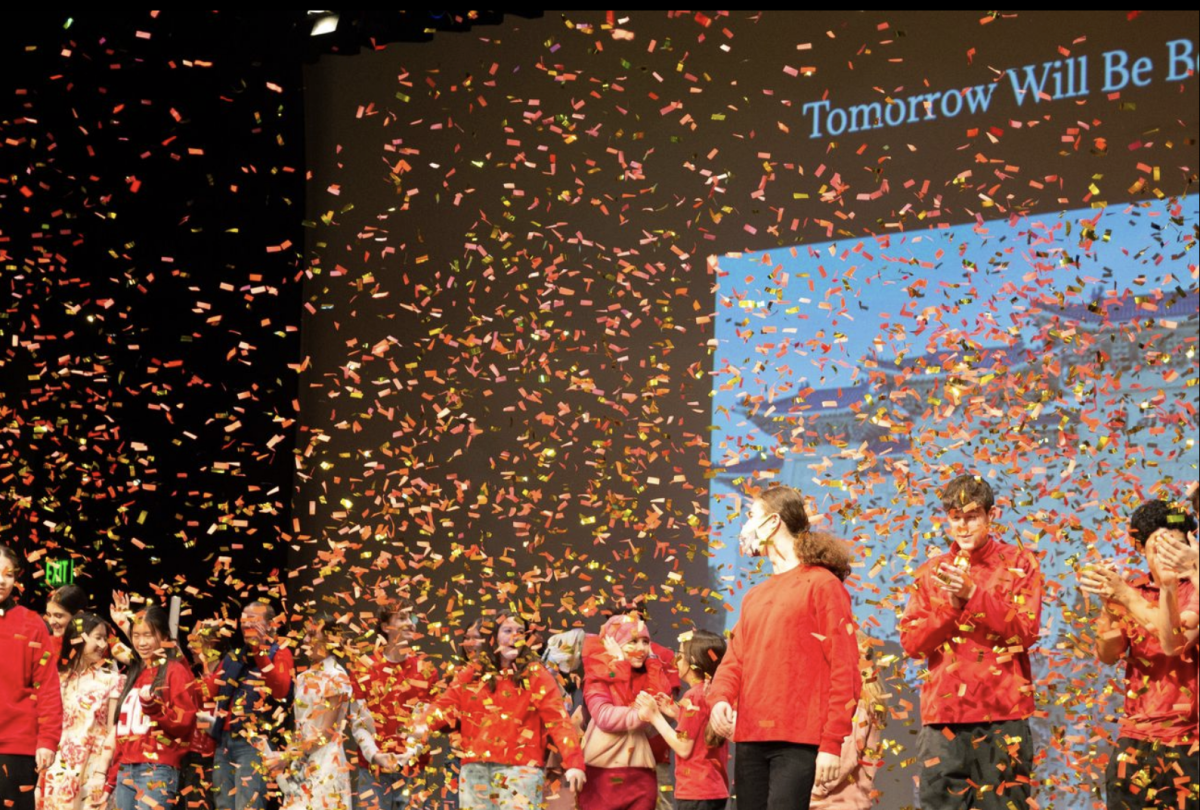





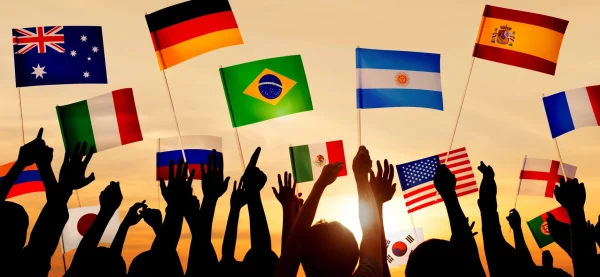
The Annual World Language Week, hosted by the World Language Department, was held during the first week of March this year. This event has been an annual tradition for a while now, celebrating various cultures and languages from around the world and representing the diversity of CCHS.
“It is a celebration of all languages, with a particular focus on those taught at CCHS,” says Ms. Roussel-Ehrenthal.
New Addition
This year, the World Language alumni from over the years were asked where their language journey led them. Ms. Roussel-Ehrenthal says, “The goal is to demonstrate to the school community that learning a World Language has a positive impact on students’ lives and is a real asset.” The 17 portraits ofWL Alumni and their language journey can be found using the following link: https://drive.google.com/file/d/12HUW4aBvc0ODkQtFlOultYUFeNpQ0ysC/view
Cafeteria Food
CCHS Chef Matt Bisonette prepared a meal for each day of the week, one from the Francophone world, the Hispanic world, the Chinese world, and the Italian world. In previous years, he usually adds in one of his choice, but this year, due to an early release, there were only four days of lunch to serve. The diverse selection of food is prepared in order to bring focus to the variety of cultures and languages taught at CC.
Music
Another way the cultural diversity at CCHS was highlighted during World Language Week was the music played in the hallways during passing time. The WL teachers specifically chose the music to help create more awareness around the languages taught, just like they had done with the food. Songs picked included French song, “Ce Monde” by Lou Deleuze, and Spanish song, “NUEVAYoL” by Bad Bunny.
Festival – Multicultural Food Festival
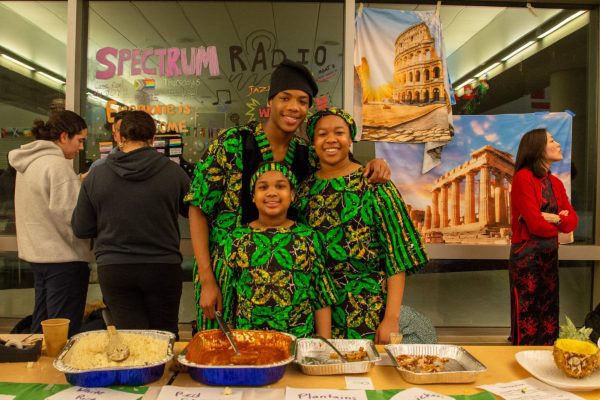
Food, to CCHS science teacher Ray Pavlik, is a “vehicle to bring the community together and celebrate our diversity.”
The CCHS 6th Annual Multicultural Food Festival took place on Tuesday, March 3, 2026, in the CCHS cafeteria.
Inspired by his love for food and culture, Pavlik started the festival in 2019, hoping it would spark conversations and encourage people to learn about one another’s backgrounds.
Ever since then, the festival has grown significantly, drawing between 500 and 700 attendees each year. This year, more than 70 families and over 10 local restaurants brought food, representing 45 countries, cultures, and religions.
“It has turned into an event that no matter who you are, or what you do in the school, everyone comes,” Pavlik said.
The cafeteria buzzed with excitement as hundreds of students and community members moved from table to table sampling dishes. Colorfully decorated tables offered everything from tacos and pavlova to lumpia and dumplings.
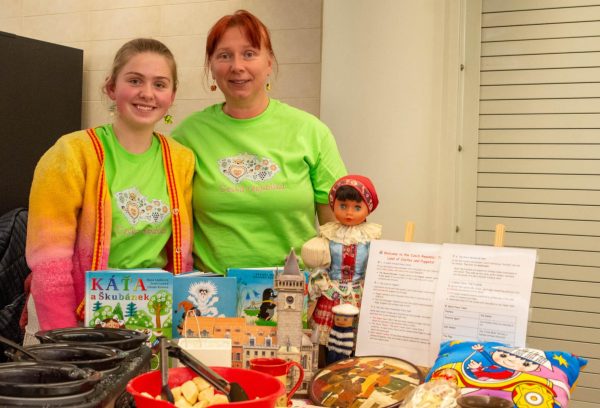
CCHS junior Marina Grein, representing the Czech Republic, brought bábovka, a farmer’s cheese pound cake, and borůvkové knedlíky—blueberry dumplings with powdered sugar and butter. Events like the festival are important, Grein said, because “people can learn more about their peers and see other cultures and understand their places.”
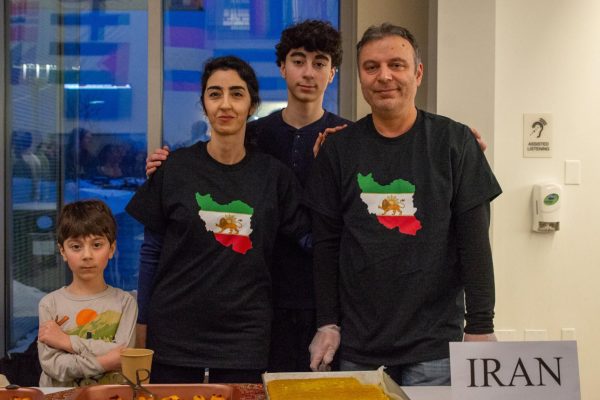
Marzieh Sharifi, representing Iran, brought baklava and tachin. “The U.S. is a multicultural community, and there are people from all over the world,” Sharifi said. “It’s necessary that people know about each other’s cultures.”
For many, the festival also offers a connection to home.
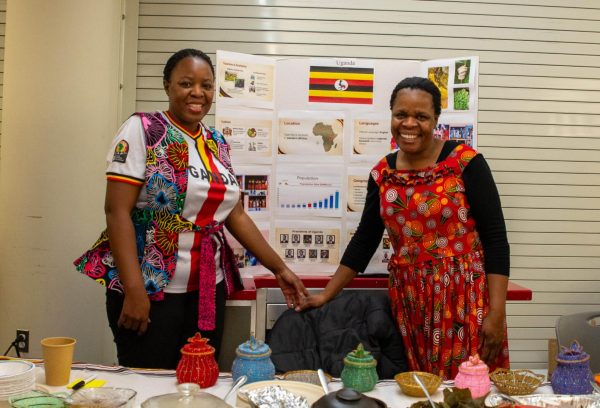
Rhonah Nakalyowa, a CCHS parent who immigrated from Uganda 15 years ago, works with the cultural organization Ggwanga Mujje Boston to help children maintain their heritage through summer camps, cultural dances, and traditional dress. The scale of the festival impressed her; “Even if we are far away from home, we feel invited and appreciated,” she said.
French teacher, Nouna Dang Duy Pinto, helped students coordinate preparing food for the festival and believes the festival allows students to celebrate their identities. She said the festival “reflects the diversity of the school” and lets us “forget our differences.”
French teacher, Florence Roussel-Ehrenthal, has been involved with the festival from its very start. She has always promoted it in her classes and has seen more students embracing their cultural backgrounds over the years. She jokes that her classroom feels like a “United Nations class.” The festival, she said, ”allows people to be proud of their cultural differences.” While students once hesitated to highlight those differences, she now sees them celebrating them— “proud of their language, proud of their cultural diversity.”
While the festival offers a chance to sample dishes from around the world, it is about far more than just food—it is about preserving heritage and passing it on.
“We’re carrying the torch of our cultures from home,” says Nakalyowa.